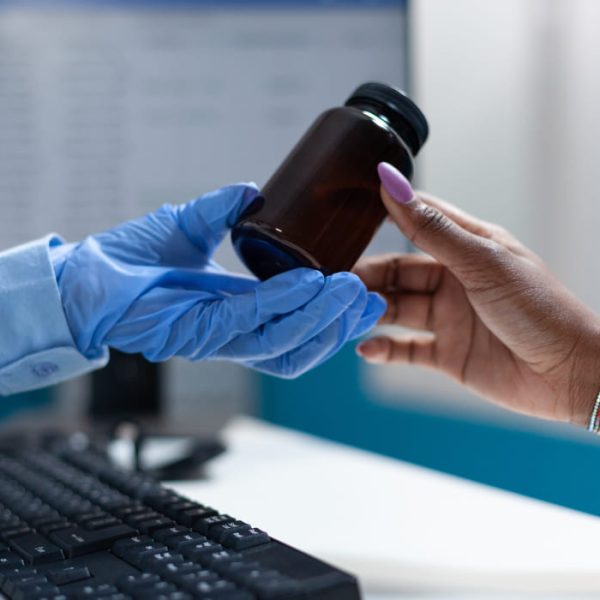
Have you ever taken a medication that worked wonders for a friend, only to feel absolutely no change yourself? It can be confusing and frustrating, especially when you’re following the instructions exactly. Yet this mismatch in results is incredibly common, and it’s one of the reasons modern medicine is shifting toward more personalized approaches. Understanding why this happens can help you have better conversations with your doctor, manage expectations, and make more informed choices about your health.
1. Your Genes Change How Medicines Work
One of the biggest reasons the same pill affects people differently is genetics. Your DNA can influence how quickly your body breaks down a drug, how strongly you respond to it, and even whether you experience side effects.
- Fast metabolizers: Some people process a drug so quickly that it leaves their system before it has time to work effectively.
- Slow metabolizers: Others break it down very slowly, which can lead to stronger effects or more side effects at standard doses.
There are already genetic tests for certain medications, such as some antidepressants and blood thinners, to help doctors choose better starting doses or alternative treatments. As this field grows, we’ll likely see more tailored prescriptions based on genetic profiles.
2. Age, Weight, and Body Composition Matter
Age and body size play a major role in how much of a drug is needed and how long it stays active. A dose that’s perfect for a 30-year-old with an average body weight might be too strong for an older adult or too weak for someone with a larger body mass.
- Age: Liver and kidney function—key for processing and clearing drugs—often decline with age. This can heighten effects and increase the risk of side effects.
- Body fat vs. muscle: Some drugs are fat-soluble and get stored in fat tissue, which can impact how long they stay in the body.
- Body water: Water-soluble drugs distribute differently depending on total body water, which varies with sex, age, and body composition.
Healthcare professionals take these factors into account, but two people with similar weights can still respond differently because of all the other variables at play.
3. Liver and Kidney Function: Your Internal Filters
Your liver and kidneys act as your body’s main filtering and processing systems. If either organ is working less efficiently, a normal dose might behave like a high dose, and a drug that seems weak in one person can hit hard in another.
The liver modifies many medications into forms that are either active or ready to be eliminated. Some people have naturally more active liver enzymes, while others have reduced activity. Meanwhile, the kidneys are responsible for clearing many drugs and their breakdown products. Any condition that affects these organs—such as chronic kidney disease, fatty liver, or long-term alcohol use—can dramatically change how a pill behaves.
Just like the human body has systems that must be well-organized to function properly, professionals and businesses need tools that keep their workflows efficient and clear. For anyone who needs clean, ready-to-share documents—such as billing records or receipts—a tool like a pdf invoice generator can simplify the process of organizing and standardizing paperwork in the same way proper dosing and monitoring help standardize treatment outcomes.
4. Other Medications Can Interfere
Drug interactions are another major reason why one person gets great results and another doesn’t. If you’re taking multiple medications, supplements, or over-the-counter products, they can compete for the same enzymes in the liver or affect each other’s absorption.
- Enzyme blockers: Some drugs slow down the enzymes that break down others, increasing their levels and effects.
- Enzyme inducers: Other drugs speed up those enzymes, lowering drug levels and making a medication seem “weak.”
- Absorption issues: Antacids, fiber supplements, or certain foods can decrease how much of a pill actually enters your bloodstream.
This is why sharing a seemingly harmless medication with a friend is risky; their unique mix of prescriptions and supplements may turn a routine pill into a problem—or render it nearly useless.
5. Diet and Lifestyle Change the Equation
What you eat, drink, and do every day can significantly shape how a drug works in your system. Certain foods are known to interact with medications—for example, grapefruit juice can increase the levels of some drugs by blocking enzymes that break them down.
- Diet: High-fat meals can change how quickly a pill is absorbed. Some medicines need to be taken with food, others on an empty stomach.
- Alcohol: Drinking can strain the liver and alter how drugs are processed, increasing the risk of side effects.
- Exercise and sleep: Physical activity and sleep quality can influence weight, metabolism, and hormone levels, all of which contribute to drug responses.
Two people on the same medication but living very different lifestyles may not experience the same benefits or side effects.
6. Underlying Conditions and the State of Your Health
The reason you’re taking a drug—and what else is going on in your body—matters just as much as the pill itself. Conditions like diabetes, heart disease, thyroid disorders, or chronic inflammation can change how your body handles medications.
Doctors have learned that the same medication can produce wildly different results depending on a patient's metabolism, genetics, and even diet, which is why dosing charts keep getting more personalized every year. Global support teams face a similar variability problem when a caller's meaning shifts subtly between languages and cultural context. Companies that route multilingual customers through trained interpretation services avoid the kind of misread instructions that turn a routine call into a costly misunderstanding.
- Blood flow: Conditions that affect circulation can change how quickly a drug reaches its target tissues.
- Stomach and gut health: Digestive disorders can interfere with absorption.
- Hormone levels: Hormonal imbalances can alter how certain medications work, especially those related to mood, metabolism, or reproduction.
So even if two people are taking the same dose for the same diagnosis, differences in overall health can lead to very different results.
7. Brain Chemistry and Perception of Relief
Response to painkillers, antidepressants, and anti-anxiety medications can vary widely because our brain chemistry and pain thresholds are unique. Neurotransmitter levels, receptor sensitivity, and even past experiences with medications play roles in how we perceive a drug’s effect.
In some cases, two people might have similar biological responses, but one reports more relief simply because of expectations, beliefs, and context—often described as the placebo or nocebo effect. This doesn’t mean symptoms aren’t real; it shows how tightly our bodies and minds are linked in the healing process.
8. Consistency, Adherence, and Real-Life Use
Finally, how closely someone follows the prescribed instructions has a huge impact. Missing doses, taking medication at inconsistent times, or not following food-related directions can make a powerful pill seem weak or unpredictable.
- Skipping doses can keep blood levels of a drug too low to work.
- Doubling up after a missed dose can raise levels too high, increasing side effects.
- Stopping early—especially with antibiotics or antidepressants—can prevent full benefit and sometimes cause problems.
Real life is complicated, and perfect adherence is hard, but being open with your healthcare provider about how you’re actually taking a medication can help them adjust the plan realistically.
Clear communication with a care team is even harder when patient and provider do not share a language, and small misunderstandings about dosage or timing can undo an otherwise sound plan. Multilingual patients and caregivers increasingly turn to professional medical translation services to make sure prescriptions, lab results and follow-up instructions are understood exactly as intended. A treatment plan only works when everyone reading it understands the same words.
Conclusion: One Pill, Many Stories
When a medication works for someone else but not for you, it’s usually not a sign that you’ve done anything wrong—or that the drug is “bad.” It’s a reflection of the enormous complexity of human biology and lifestyle. Genetics, organ function, other meds, diet, health conditions, and even mindset all shape how the same pill behaves in different people.
The most useful response is curiosity and communication. Instead of giving up or self-adjusting your dose, bring your experiences to your healthcare provider: what you felt, what you didn’t feel, and what else is going on in your life. That information helps them fine-tune your treatment plan, potentially switch medications, or explore testing that can guide more personalized choices.
Medicine is increasingly moving away from one-size-fits-all approaches. Understanding why results vary from person to person is a key step toward safer, smarter, and more effective care—so your treatment is as individual as you are.
Have you ever taken a medication that worked wonders for a friend, only to feel absolutely no change yourself? It can be confusing and frustrating, especially when you’re following the instructions exactly. Yet this mismatch in results is incredibly common, and it’s one of the reasons modern medicine is shifting toward more personalized approaches. Understanding why this happens can help you have better conversations with your doctor, manage expectations, and make more informed choices about your health.
Have you ever taken a medication that worked wonders for a friend, only to feel absolutely no change yourself? It can be confusing and frustrating, especially when you’re following the instructions exactly. Yet this mismatch in results is incredibly common, and it’s one of the reasons modern medicine is shifting toward more personalized approaches. Understanding why this happens can help you have better conversations with your doctor, manage expectations, and make more informed choices about your health.
1. Your Genes Change How Medicines Work
One of the biggest reasons the same pill affects people differently is genetics. Your DNA can influence how quickly your body breaks down a drug, how strongly you respond to it, and even whether you experience side effects.
One of the biggest reasons the same pill affects people differently is genetics. Your DNA can influence how quickly your body breaks down a drug, how strongly you respond to it, and even whether you experience side effects.
- Fast metabolizers: Some people process a drug so quickly that it leaves their system before it has time to work effectively.
- Slow metabolizers: Others break it down very slowly, which can lead to stronger effects or more side effects at standard doses.
There are already genetic tests for certain medications, such as some antidepressants and blood thinners, to help doctors choose better starting doses or alternative treatments. As this field grows, we’ll likely see more tailored prescriptions based on genetic profiles.
There are already genetic tests for certain medications, such as some antidepressants and blood thinners, to help doctors choose better starting doses or alternative treatments. As this field grows, we’ll likely see more tailored prescriptions based on genetic profiles.
2. Age, Weight, and Body Composition Matter
Age and body size play a major role in how much of a drug is needed and how long it stays active. A dose that’s perfect for a 30-year-old with an average body weight might be too strong for an older adult or too weak for someone with a larger body mass.
Age and body size play a major role in how much of a drug is needed and how long it stays active. A dose that’s perfect for a 30-year-old with an average body weight might be too strong for an older adult or too weak for someone with a larger body mass.
- Age: Liver and kidney function—key for processing and clearing drugs—often decline with age. This can heighten effects and increase the risk of side effects.
- Age: Liver and kidney function—key for processing and clearing drugs—often decline with age. This can heighten effects and increase the risk of side effects.
- Body fat vs. muscle: Some drugs are fat-soluble and get stored in fat tissue, which can impact how long they stay in the body.
- Body water: Water-soluble drugs distribute differently depending on total body water, which varies with sex, age, and body composition.
Healthcare professionals take these factors into account, but two people with similar weights can still respond differently because of all the other variables at play.
3. Liver and Kidney Function: Your Internal Filters
Your liver and kidneys act as your body’s main filtering and processing systems. If either organ is working less efficiently, a normal dose might behave like a high dose, and a drug that seems weak in one person can hit hard in another.
Your liver and kidneys act as your body’s main filtering and processing systems. If either organ is working less efficiently, a normal dose might behave like a high dose, and a drug that seems weak in one person can hit hard in another.
The liver modifies many medications into forms that are either active or ready to be eliminated. Some people have naturally more active liver enzymes, while others have reduced activity. Meanwhile, the kidneys are responsible for clearing many drugs and their breakdown products. Any condition that affects these organs—such as chronic kidney disease, fatty liver, or long-term alcohol use—can dramatically change how a pill behaves.
The liver modifies many medications into forms that are either active or ready to be eliminated. Some people have naturally more active liver enzymes, while others have reduced activity. Meanwhile, the kidneys are responsible for clearing many drugs and their breakdown products. Any condition that affects these organs—such as chronic kidney disease, fatty liver, or long-term alcohol use—can dramatically change how a pill behaves.
Just like the human body has systems that must be well-organized to function properly, professionals and businesses need tools that keep their workflows efficient and clear. For anyone who needs clean, ready-to-share documents—such as billing records or receipts—a tool like a pdf invoice generator can simplify the process of organizing and standardizing paperwork in the same way proper dosing and monitoring help standardize treatment outcomes.
Just like the human body has systems that must be well-organized to function properly, professionals and businesses need tools that keep their workflows efficient and clear. For anyone who needs clean, ready-to-share documents—such as billing records or receipts—a tool like a pdf invoice generator can simplify the process of organizing and standardizing paperwork in the same way proper dosing and monitoring help standardize treatment outcomes.
4. Other Medications Can Interfere
Drug interactions are another major reason why one person gets great results and another doesn’t. If you’re taking multiple medications, supplements, or over-the-counter products, they can compete for the same enzymes in the liver or affect each other’s absorption.
Drug interactions are another major reason why one person gets great results and another doesn’t. If you’re taking multiple medications, supplements, or over-the-counter products, they can compete for the same enzymes in the liver or affect each other’s absorption.
- Enzyme blockers: Some drugs slow down the enzymes that break down others, increasing their levels and effects.
- Enzyme inducers: Other drugs speed up those enzymes, lowering drug levels and making a medication seem “weak.”
- Absorption issues: Antacids, fiber supplements, or certain foods can decrease how much of a pill actually enters your bloodstream.
This is why sharing a seemingly harmless medication with a friend is risky; their unique mix of prescriptions and supplements may turn a routine pill into a problem—or render it nearly useless.
This is why sharing a seemingly harmless medication with a friend is risky; their unique mix of prescriptions and supplements may turn a routine pill into a problem—or render it nearly useless.
5. Diet and Lifestyle Change the Equation
What you eat, drink, and do every day can significantly shape how a drug works in your system. Certain foods are known to interact with medications—for example, grapefruit juice can increase the levels of some drugs by blocking enzymes that break them down.
What you eat, drink, and do every day can significantly shape how a drug works in your system. Certain foods are known to interact with medications—for example, grapefruit juice can increase the levels of some drugs by blocking enzymes that break them down.
- Diet: High-fat meals can change how quickly a pill is absorbed. Some medicines need to be taken with food, others on an empty stomach.
- Alcohol: Drinking can strain the liver and alter how drugs are processed, increasing the risk of side effects.
- Exercise and sleep: Physical activity and sleep quality can influence weight, metabolism, and hormone levels, all of which contribute to drug responses.
Two people on the same medication but living very different lifestyles may not experience the same benefits or side effects.
6. Underlying Conditions and the State of Your Health
The reason you’re taking a drug—and what else is going on in your body—matters just as much as the pill itself. Conditions like diabetes, heart disease, thyroid disorders, or chronic inflammation can change how your body handles medications.
The reason you’re taking a drug—and what else is going on in your body—matters just as much as the pill itself. Conditions like diabetes, heart disease, thyroid disorders, or chronic inflammation can change how your body handles medications.
Doctors have learned that the same medication can produce wildly different results depending on a patient's metabolism, genetics, and even diet, which is why dosing charts keep getting more personalized every year. Global support teams face a similar variability problem when a caller's meaning shifts subtly between languages and cultural context. Companies that route multilingual customers through trained interpretation services avoid the kind of misread instructions that turn a routine call into a costly misunderstanding.
Doctors have learned that the same medication can produce wildly different results depending on a patient's metabolism, genetics, and even diet, which is why dosing charts keep getting more personalized every year. Global support teams face a similar variability problem when a caller's meaning shifts subtly between languages and cultural context. Companies that route multilingual customers through trained interpretation services avoid the kind of misread instructions that turn a routine call into a costly misunderstanding.
- Blood flow: Conditions that affect circulation can change how quickly a drug reaches its target tissues.
- Stomach and gut health: Digestive disorders can interfere with absorption.
- Hormone levels: Hormonal imbalances can alter how certain medications work, especially those related to mood, metabolism, or reproduction.
So even if two people are taking the same dose for the same diagnosis, differences in overall health can lead to very different results.
7. Brain Chemistry and Perception of Relief
Response to painkillers, antidepressants, and anti-anxiety medications can vary widely because our brain chemistry and pain thresholds are unique. Neurotransmitter levels, receptor sensitivity, and even past experiences with medications play roles in how we perceive a drug’s effect.
Response to painkillers, antidepressants, and anti-anxiety medications can vary widely because our brain chemistry and pain thresholds are unique. Neurotransmitter levels, receptor sensitivity, and even past experiences with medications play roles in how we perceive a drug’s effect.
In some cases, two people might have similar biological responses, but one reports more relief simply because of expectations, beliefs, and context—often described as the placebo or nocebo effect. This doesn’t mean symptoms aren’t real; it shows how tightly our bodies and minds are linked in the healing process.
In some cases, two people might have similar biological responses, but one reports more relief simply because of expectations, beliefs, and context—often described as the placebo or nocebo effect. This doesn’t mean symptoms aren’t real; it shows how tightly our bodies and minds are linked in the healing process.
8. Consistency, Adherence, and Real-Life Use
Finally, how closely someone follows the prescribed instructions has a huge impact. Missing doses, taking medication at inconsistent times, or not following food-related directions can make a powerful pill seem weak or unpredictable.
Finally, how closely someone follows the prescribed instructions has a huge impact. Missing doses, taking medication at inconsistent times, or not following food-related directions can make a powerful pill seem weak or unpredictable.
- Skipping doses can keep blood levels of a drug too low to work.
- Doubling up after a missed dose can raise levels too high, increasing side effects.
- Stopping early—especially with antibiotics or antidepressants—can prevent full benefit and sometimes cause problems.
Real life is complicated, and perfect adherence is hard, but being open with your healthcare provider about how you’re actually taking a medication can help them adjust the plan realistically.
Real life is complicated, and perfect adherence is hard, but being open with your healthcare provider about how you’re actually taking a medication can help them adjust the plan realistically.
Conclusion: One Pill, Many Stories
When a medication works for someone else but not for you, it’s usually not a sign that you’ve done anything wrong—or that the drug is “bad.” It’s a reflection of the enormous complexity of human biology and lifestyle. Genetics, organ function, other meds, diet, health conditions, and even mindset all shape how the same pill behaves in different people.
When a medication works for someone else but not for you, it’s usually not a sign that you’ve done anything wrong—or that the drug is “bad.” It’s a reflection of the enormous complexity of human biology and lifestyle. Genetics, organ function, other meds, diet, health conditions, and even mindset all shape how the same pill behaves in different people.
The most useful response is curiosity and communication. Instead of giving up or self-adjusting your dose, bring your experiences to your healthcare provider: what you felt, what you didn’t feel, and what else is going on in your life. That information helps them fine-tune your treatment plan, potentially switch medications, or explore testing that can guide more personalized choices.
The most useful response is curiosity and communication. Instead of giving up or self-adjusting your dose, bring your experiences to your healthcare provider: what you felt, what you didn’t feel, and what else is going on in your life. That information helps them fine-tune your treatment plan, potentially switch medications, or explore testing that can guide more personalized choices.
Medicine is increasingly moving away from one-size-fits-all approaches. Understanding why results vary from person to person is a key step toward safer, smarter, and more effective care—so your treatment is as individual as you are.
Medicine is increasingly moving away from one-size-fits-all approaches. Understanding why results vary from person to person is a key step toward safer, smarter, and more effective care—so your treatment is as individual as you are.