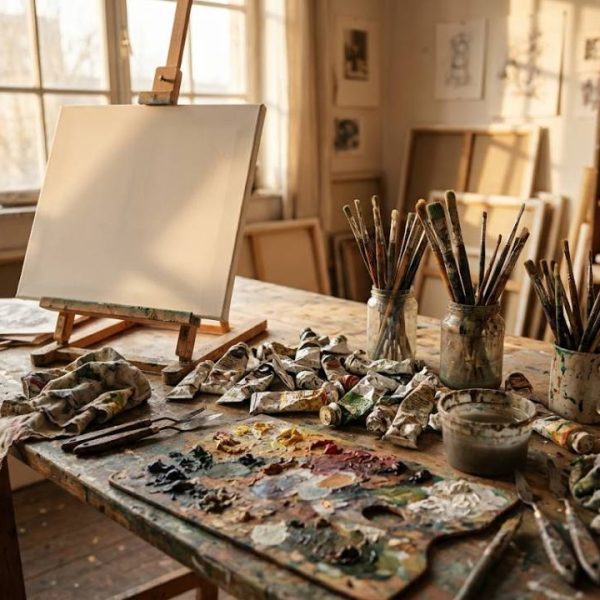
Art has a rare power to speak without explanation. A mural on a school wall, a street concert or a community workshop can reach people who share no common language. Yet even the most visual project needs words around it, such as invitations, captions and stories.
This article explores how living art builds community across languages, and how creative messages can be adapted without losing their spirit.
Art Starts Conversations
A shared painting or performance gives strangers something to talk about. People who would never otherwise meet find themselves discussing colours, themes and memories.
The artwork becomes a doorway, not just an object. Organisers who understand this plan events that invite participation, not only viewing.
Public Spaces Belong to Everyone
Murals, sculptures and festivals bring creative life into parks and streets. They show that culture is not locked behind museum doors.
Neighbourhoods with visible art often feel safer and prouder, because residents see themselves in the images around them.
Workshops Build Skills and Friendships
Painting, music and crafts workshops mix ages and backgrounds. Participants learn techniques and also stories from each other.
Keep groups small and welcoming. Offer materials for free or at low cost, so that nobody stays away because of money.
Words Still Matter in Visual Projects
Posters, programmes and artist statements explain the idea behind the work. If they are only available in one language, part of the community is left out.
Plan for several languages from the start, and put short, clear captions next to the artwork itself.
Reach Spanish Speaking Audiences
Spanish is spoken by millions of residents in many cities, and art events often draw large Spanish speaking audiences. Organisers who offer a thoughtful english to spanish translation of invitations, grant applications and exhibition texts open the doors much wider.
Include local expressions where possible, because friendly, natural language invites participation better than stiff formal wording.
Adapt Creative Messages, Do Not Copy Them
Slogans, titles and poems often rely on rhythm, wordplay or cultural references. A literal rendering can sound flat or even confusing.
There are several ways to carry such texts across languages, from careful rewriting to complete recreation. This guide to the types of transcreation explains how creative work can keep its emotional effect.
Learn From Major Cultural Institutions
Large museums and galleries publish learning resources for visitors of all ages. The Tate offers many materials on how art is made, shown and discussed.
Community groups can borrow ideas for workshops, guided tours and family days.
Respect Cultural Heritage
Many communities have symbols, patterns and stories that carry deep meaning. Using them without asking can hurt people.
Invite local elders and artists to guide projects, and credit them clearly.
Make Events Accessible
Think about ramps, seating, large print and audio descriptions. Sign language interpreters and quiet hours help more visitors enjoy the experience.
Accessibility is not an extra. It is part of good design.
Involve Young People
Teenagers and children bring energy and fresh ideas. Give them real responsibility, such as designing a poster or leading a small tour.
Young people who feel ownership of an art project often become its strongest supporters.
Use Social Media With Care
Photos and short videos spread the word quickly. Ask for permission before posting images of people, and add captions in the main languages of your community.
Encourage visitors to share their own pictures with a simple tag.
Collect Stories Behind the Art
Short interviews with participants make the project richer. They record why the work mattered and what it meant to them.
Publish the stories on a website or in a small booklet, in more than one language.
Fund and Sustain the Work
Grants, local businesses and small donations all help. Clear budgets and honest reports build trust with supporters.
Plan for upkeep, such as cleaning or repainting, so that the artwork stays beautiful.
Measure What Matters
Count attendance, but also listen to stories. Did new friendships form, did people feel proud, did the neighbourhood change?
Use simple surveys and informal chats to learn what to improve next year.
Partner With Schools and Libraries
Schools, libraries and community centres already have trusted relationships with local families. Hosting an art day there brings in people who might not visit a gallery, and teachers can connect the activity to lessons.
Shared spaces also reduce costs and make planning simpler for volunteer organisers.
Invite Local Businesses to Join In
Cafes, shops and print studios can host small exhibitions, donate materials or sponsor a poster. In return, visitors discover their names and services.
These partnerships keep money and attention within the neighbourhood and build lasting goodwill.
Document the Process, Not Only the Result
Photos of sketches, test colours and group discussions show how the work grew. They help future organisers learn from your experience and let participants relive the process.
A short film or photo diary turns a one-day event into a lasting community memory.
Final Thoughts
Living art builds bridges when it invites participation, respects culture and speaks in the languages of its audience. Words and images work best together.
Plan one small creative gathering this season, offer invitations in more than one language and see who shows up. The conversation that follows may become your best artwork yet.